GLP-1 Support Supplements: The Biggest Manufacturing Opportunity in 2026
Few drug categories in recent history have reshaped the supplement industry as dramatically as GLP-1 medications. Ozempic, Wegovy, Mounjaro, and Zepbound have moved from diabetes treatments to mainstream weight loss solutions, creating unprecedented opportunities for supplement manufacturers and brand owners.
According to Grand View Research, the global GLP-1 receptor agonist market was valued at $53.46 billion in 2024 and is projected to reach $156.71 billion by 2030, growing at a CAGR of 17.46%. This growth extends beyond pharmaceuticals: for every person taking these medications, significant demand exists for companion products that support users, manage side effects, and serve consumers seeking similar benefits through natural alternatives.
This shift is evident across the industry. The Vitamin Shoppe launched Whole Health Rx, a complete product line for GLP-1 users. Celebrity-backed brands like Kourtney Kardashian’s Lemme released natural GLP-1 supplements. Pendulum Therapeutics has raised over $111 million in venture funding to develop gut health products targeting metabolic pathways.
The market opportunity is substantial. The question for brand owners and entrepreneurs is how to enter it effectively.
Understanding GLP-1 Medications
GLP-1 (glucagon-like peptide-1) is a hormone naturally produced in the gut after eating. It performs several key functions:
- Signals the brain to indicate fullness
- Slows gastric emptying to extend satiety
- Stimulates insulin release for blood sugar management
- Reduces glucagon production
GLP-1 medications such as semaglutide (Ozempic, Wegovy) and tirzepatide (Mounjaro, Zepbound) are synthetic compounds that activate these receptors with greater potency and duration than the body’s natural GLP-1.
Clinical results have been significant. The STEP 1 trial demonstrated that participants taking semaglutide 2.4 mg achieved approximately 15% reduction in body weight at 68 weeks, according to research published in the New England Journal of Medicine. More recent Phase IIIb trials of higher doses showed mean weight loss of 21% in adults with obesity.
However, these medications present challenges that create opportunities for supplement brands:
Cost: Without insurance, Wegovy carries a list price of approximately $1,349 for a 28-day supply, though recent manufacturer programs have reduced out-of-pocket costs to $349-499 monthly for qualifying patients. Many insurance plans still do not cover weight loss indications.
Side Effects: Gastrointestinal symptoms including nausea, vomiting, constipation, and diarrhea are common, particularly during initial treatment. Users also report concerns about muscle loss, hair changes, and rapid facial volume loss (commonly called “Ozempic face”).
Muscle Loss Concerns: Research published in Diabetes, Obesity and Metabolism found that lean mass reductions can range from 20% to 40% as a proportion of total weight lost during GLP-1 therapy, though results vary across studies. The American Diabetes Association notes that lean body mass can account for 15-40% of total weight loss.
These factors create substantial demand for supportive supplements.
Two Distinct Market Categories
The GLP-1 supplement market divides into two primary categories, each requiring different product development and positioning strategies.
Category 1: Natural Metabolic Support Ingredients
This category serves consumers seeking GLP-1-like benefits without prescription medications, whether due to cost, eligibility, or preference for natural approaches.
Berberine
Berberine, a compound found in plants like barberry and goldenseal, has gained significant attention as a natural metabolic support ingredient. Research indicates berberine can support healthy blood sugar levels and metabolic function, though claims comparing it to prescription GLP-1 drugs are overstated.
A critical consideration for formulators: berberine has notably poor bioavailability. Studies in Frontiers in Pharmacology report oral bioavailability of less than 1% (approximately 0.68% in rat models). This makes delivery technology and enhanced forms like dihydroberberine important considerations for effective formulation. For more on bioavailability challenges, see the guide on why supplement form matters more than the ingredient.
Soluble Fiber
Soluble fibers such as glucomannan and psyllium offer more established scientific support. These ingredients slow gastric emptying and increase satiety through mechanisms similar to GLP-1 activity. They also serve as prebiotics, supporting beneficial gut bacteria that may influence metabolic health.
Glucomannan has been studied in multiple weight management trials with modest but measurable effects, excellent safety profiles, and low formulation costs.
Chromium
Chromium picolinate appears in most GLP-1 support supplements currently on the market. While evidence for direct weight loss effects remains limited, chromium supports blood sugar metabolism, aligning with metabolic health positioning.
Additional Trending Ingredients
- Bitter melon extract (traditional blood sugar support)
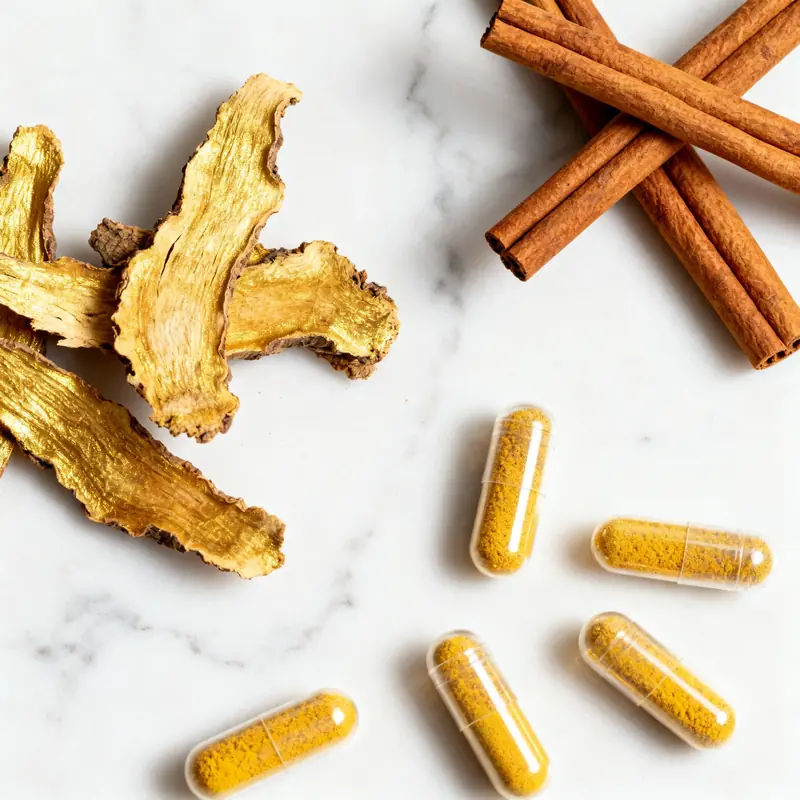
- Ceylon cinnamon (metabolic support)
- Green tea extract/EGCG (thermogenic and metabolic effects)
- Saffron extract (appetite and craving management)
- Gymnema sylvestre (sugar craving reduction)
Important Positioning Consideration
None of these ingredients replicate prescription GLP-1 drug effects. Products positioned as “natural Ozempic” or making drug-like claims risk FDA enforcement and consumer backlash. Defensible positioning focuses on supporting metabolic health naturally for consumers who are not candidates for or do not prefer prescription medications.
Category 2: GLP-1 User Support Products
This category addresses the real needs of people already taking GLP-1 medications, representing a more immediate and defensible market opportunity.
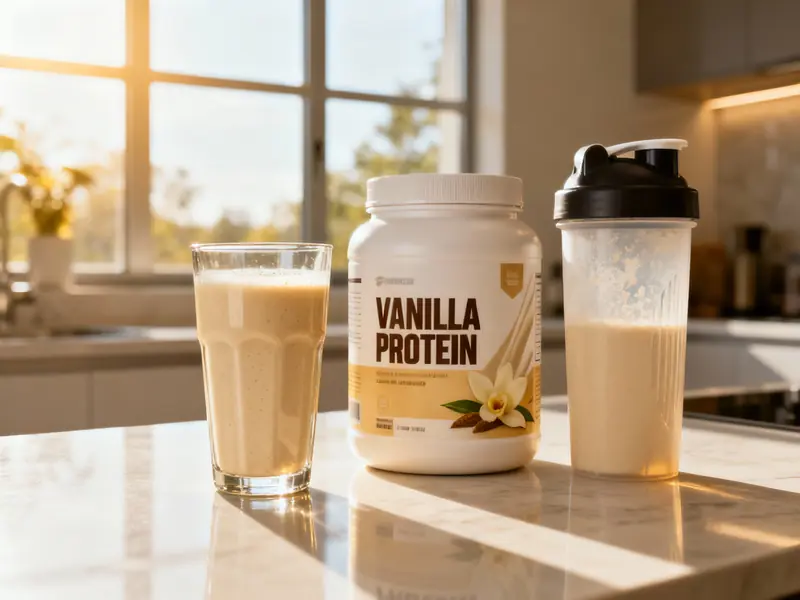
Protein Supplements
Muscle preservation represents the most significant supplement opportunity for GLP-1 users. Research indicates that 20-40% of weight lost during GLP-1 therapy may come from lean mass rather than fat. For older adults especially, this presents concerns about functional strength and independence.
The Vitamin Shoppe’s Whole Health Rx line includes “Muscle Guard Protein” formulated with HMB and PeptiStrong for muscle preservation. ADM, a major ingredient supplier, has developed plant protein products specifically targeting GLP-1 users.
Target customers in this segment differ from typical sports nutrition consumers. They tend to be older, more concerned with maintaining function than building muscle, and highly motivated to support their medication’s effectiveness.
Electrolyte Formulas
Gastrointestinal side effects including nausea, vomiting, and diarrhea can lead to dehydration and electrolyte imbalances. Well-formulated electrolyte products addressing these needs fill a genuine gap. Standard sodium, potassium, and magnesium formulations work well, but positioning specifically for weight loss journey support resonates better than generic sports hydration messaging.
Digestive Support
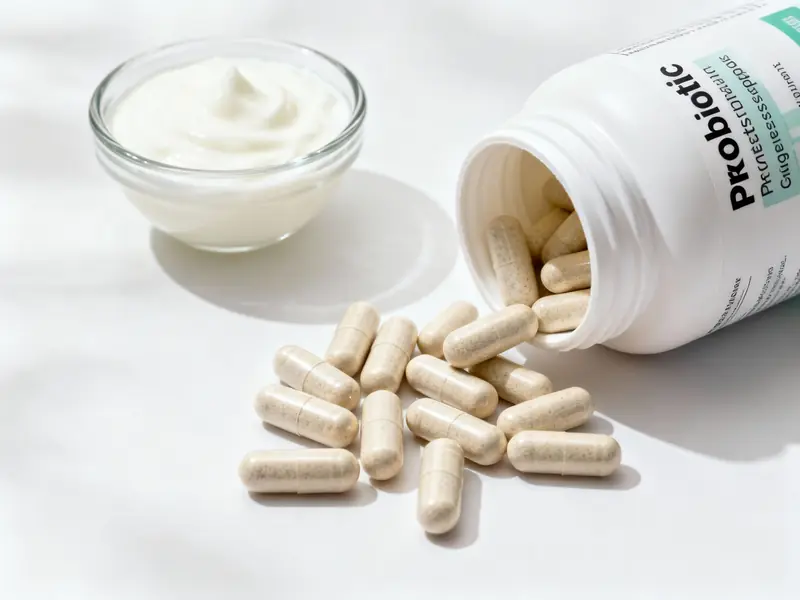
GLP-1 medications slow gastric emptying, which can cause bloating, constipation, and digestive discomfort. Probiotics, digestive enzymes, and ginger-based formulas address these symptoms without interfering with medication effectiveness.
Collagen and Skin Health
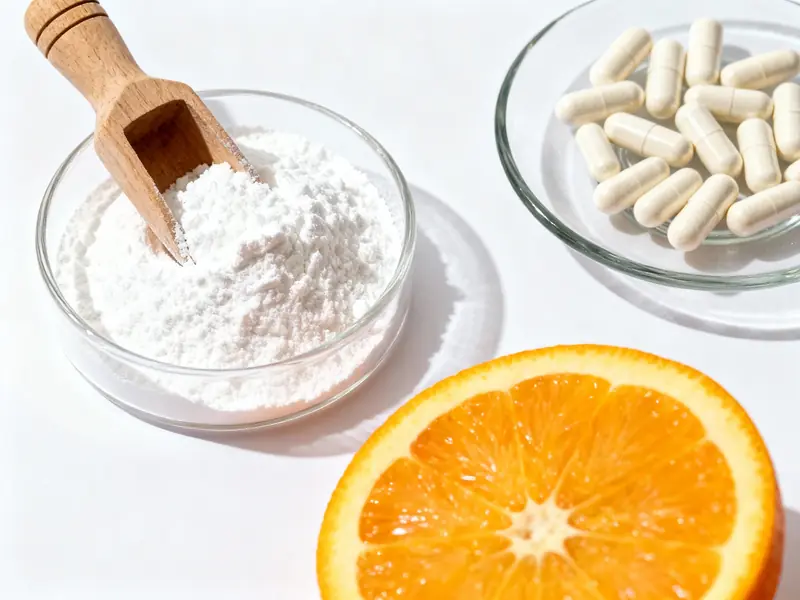
Rapid weight loss can result in facial volume loss and loose skin. Collagen supplements, particularly combined with vitamin C to support synthesis, address these concerns. Research supports collagen supplementation for skin hydration and elasticity.
Multivitamins
Reduced food intake during GLP-1 therapy increases risk for nutrient deficiencies in B vitamins, iron, and other essentials. Multivitamins formulated specifically for this population address nutritional gaps while supporting overall health during weight management.
Youtheory’s GLP-1 Support line positions products as “doctor-formulated to help fill common nutrient gaps during your weight loss journey,” demonstrating effective, defensible marketing language.
Competitive Landscape Analysis
Understanding current market players provides important context for positioning decisions.
Celebrity-Backed Products: Lemme GLP-1 Daily
Kourtney Kardashian’s Lemme brand launched “GLP-1 Daily” in September 2024 at approximately $70-90 monthly. The product contains Eriomin lemon fruit extract, Supresa saffron extract, and Morosil red orange fruit extract.
The launch generated controversy, with nutrition experts criticizing marketing that positioned the supplement as comparable to prescription medications. The product is neither FDA-approved nor an actual GLP-1 agonist.
Key Takeaway: Celebrity backing drives initial sales but aggressive positioning creates backlash risk. Careful attention to label claims and marketing language remains essential.
Science-Forward Brands: Pendulum Therapeutics
Pendulum represents the opposite approach, with over $111 million in venture funding (sources including Sequoia Capital, Meritech, and Khosla Ventures) backing microbiome-science-based products. Halle Berry serves as Chief Communications Officer.
Their GLP-1 Probiotic targets gut bacteria naturally involved in GLP-1 production, providing a more scientifically defensible mechanism of action than most competitors.
Key Takeaway: Research-backed ingredients and clear mechanism explanations support premium positioning and reduce regulatory risk.
Retail Category Creation: Vitamin Shoppe’s Whole Health Rx
In March 2025, The Vitamin Shoppe launched Whole Health Rx as a comprehensive supplement line for GLP-1 users, including:
- GLP-1 Support Protein (with HMB and PeptiStrong)
- GLP-1 Support Fiber
- GLP-1 Support Probiotic
- GLP-1 Support Multivitamin
- GLP-1 Support Comprehensive Nutrition
This approach positions GLP-1 support as a distinct retail category rather than making claims about replacing medications.
Key Takeaway: Side effect support and nutritional supplementation represent lower-risk positioning than “natural alternative” claims.
Mass Market: Amazon
Searching “GLP-1 supplement” on Amazon yields hundreds of products, many with aggressive claims and low price points. Berberine-chromium-cinnamon combinations dominate this segment.
Key Takeaway: The commodity end of the market is crowded. Differentiation through quality, specific use cases, or premium positioning offers better opportunity than price competition.
Manufacturing and Formulation Considerations
Developing GLP-1 support products requires attention to several manufacturing factors.
Ingredient Sourcing
Demand increases have created supply pressure for several trending ingredients:
- Berberine: Quality sources face price increases due to demand spikes
- Branded extracts: Ingredients like Supresa saffron have limited supply chains
- Specialized probiotics: Strains like Akkermansia muciniphila present manufacturing and stability challenges
Early supplier conversations and secured agreements protect against launch timeline disruptions.
Dosage Form Selection
Different product types require different delivery formats:
| Product Type | Recommended Format | Rationale |
|---|---|---|
| Protein supplements | Powder | Adequate protein delivery in practical serving sizes |
| Botanical blends | Capsules | Ingredient protection and taste masking |
| Fiber products | Powder or capsules | Powder enables higher effective doses |
| Probiotics | Delayed-release capsules | Protection through gastric acid |
| Collagen | Powder or capsules | Powder supports beauty category positioning |
| Multivitamins | Tablets or capsules | Cost-effective multi-ingredient delivery |
For detailed format comparisons, see the complete guide to choosing the right dosage form.
Regulatory Compliance
FDA has not approved any supplement to treat obesity or diabetes. Prohibited claims include:
- Comparisons to Ozempic, Wegovy, Mounjaro, or other prescription drugs
- “Natural GLP-1” positioning suggesting drug equivalence
- Disease treatment, cure, or prevention claims
- Weight loss claims without product-specific clinical data
Permissible structure/function claims include:
- “Supports healthy metabolism”
- “Helps maintain healthy blood sugar levels already in normal range”
- “Supports satiety and healthy appetite”
- “Provides nutritional support during weight management”
Brands receiving negative press coverage typically made implicit or explicit drug-equivalence claims. Careful legal review of all marketing materials protects against enforcement actions.
Quality Assurance
Market scrutiny makes third-party testing essential:
- Identity testing confirming ingredient authenticity
- Potency testing verifying label accuracy
- Contaminant testing for heavy metals, pesticides, and microbial content
NSF, USP, or GMP certifications displayed on packaging build credibility in a market segment with quality concerns.
Market Entry Strategies
Several pathways exist for launching GLP-1 support products, each with different timelines, costs, and differentiation levels.
Stock Formulas
Manufacturers including Nutricraft Labs offer ready-to-produce formulas:
- Berberine + chromium + cinnamon combinations
- High-protein powder blends
- Digestive support formulas
- Multivitamin formulas
Stock formula production typically takes 4-6 weeks from order to finished product, enabling rapid market entry while focusing resources on branding and distribution.
Modified Stock Formulas
Starting with proven formulas and making targeted modifications provides more differentiation:
- Adding trending ingredients to established bases
- Adjusting dosages for specific target demographics
- Converting delivery formats (capsule to powder, for example)
Modified formulas typically require 6-8 weeks, balancing differentiation with reasonable development timelines.
Custom Formulation
For brands seeking proprietary products or protecting unique intellectual property, full custom development provides maximum differentiation.
Custom formulation requires 12-16 weeks for development plus production time but results in products unavailable elsewhere. This approach suits brands planning significant marketing investment where product uniqueness supports premium positioning.
Minimum Order Considerations
Traditional manufacturers require minimum orders of 5,000-10,000 units, representing substantial financial commitment before market validation.
Lower minimum orders (such as Nutricraft’s 1,000-unit minimum) enable:
- Testing multiple formulations with actual customers
- Validating marketing messages before scaling
- Entering markets without excessive capital risk
For rapidly evolving categories like GLP-1 support, flexibility to test and iterate provides meaningful competitive advantage.
Pricing Framework
GLP-1 support products generally command premium pricing:
| Product Category | Typical Retail Price | Target Margin |
|---|---|---|
| Natural metabolic support (capsules) | $40-70/month | 50-65% |
| Protein powder (GLP-1 positioned) | $45-65/container | 45-55% |
| Collagen (skin support) | $35-55/month | 50-60% |
| Digestive support | $30-50/month | 50-60% |
| Multivitamin | $25-45/month | 55-65% |
Premium positioning reflects:
- Target customers already investing significantly in their health
- High motivation and willingness to pay for effective support
- Quality differentiation in a market with credibility concerns
Long-Term Market Outlook
The GLP-1 supplement market represents a sustainable category rather than a temporary trend. Pharmaceutical companies continue investing in next-generation GLP-1 medications, with research expanding into cardiovascular, renal, and neurological applications.
Successful brands in this space will likely share common characteristics:
- Positioning around legitimate support needs (muscle preservation, side effect management, nutritional gaps)
- Quality products that deliver on realistic promises
- Adaptability as science and market dynamics evolve
- Avoiding claims that invite regulatory scrutiny
Brands making exaggerated claims, competing primarily on price, or treating the category as a short-term opportunity face higher failure risk.
Category Connections
Strategic product development considers how GLP-1 support connects to adjacent categories:
Metabolic Health: Broader than weight loss, products supporting blood sugar, insulin sensitivity, and metabolic flexibility maintain relevance regardless of GLP-1 drug market evolution.
Longevity and Healthy Aging: Emerging GLP-1 research in cardiovascular and neurological health suggests long-term category expansion beyond weight management.
Gut Health: The microbiome underlies much of GLP-1 science. Probiotic and prebiotic products targeting gut health have sustained relevance independent of specific drug trends.
Frequently Asked Questions
Can supplements replace GLP-1 medications?
No. GLP-1 medications produce effects that supplements cannot replicate. Natural ingredients may support metabolic health, appetite management, and blood sugar, but supplement effects are substantially more modest than prescription drug effects. Supplements can complement medications or serve consumers who are not candidates for prescription treatment, but they should not be positioned as replacements.
What supplements benefit people taking GLP-1 medications?
Evidence-supported recommendations include: high-quality protein for muscle preservation, electrolytes for hydration management, probiotics for digestive support, collagen for skin health during rapid weight changes, and multivitamins to address nutrient gaps from reduced food intake.
What regulatory considerations apply to GLP-1 supplements?
Claims that products treat obesity, diabetes, or any disease are prohibited. Implying products work like prescription GLP-1 medications risks enforcement action. Permissible claims include structure/function statements like “supports healthy metabolism” or “promotes satiety.” Using “GLP-1” in product names in ways that could confuse consumers about drug status should be avoided.
What does launching a GLP-1 support supplement cost?
Basic capsule products using stock formulas typically cost $8,000-12,000 for initial 1,000-unit runs including formulation, manufacturing, and packaging. Custom formulations generally require $15,000-25,000 for development and first production. Protein powders and specialty formats cost more due to ingredient and processing requirements.
Which dosage forms work best for GLP-1 support products?
Optimal format depends on product type. Capsules suit botanical blends and probiotics due to ingredient protection and taste masking. Powders work for protein products requiring higher doses. Tablets or capsules serve multivitamins cost-effectively. The dosage form guide provides detailed comparisons.
Is the market too crowded for new entrants?
The commodity segment (low-priced Amazon products with aggressive claims) is crowded. Significant opportunity remains in quality-focused products, specific use cases (muscle preservation, skin health), and honest positioning. Products relying on questionable claims face increasing regulatory and consumer pressure, creating space for legitimate alternatives.
How quickly can products reach market?
Stock formulas enable 4-6 week timelines from order to finished product. Modified stock formulas require 6-8 weeks. Full custom development takes 12-16 weeks or longer depending on complexity. These timelines assume completed branding and packaging design.
Next Steps
The GLP-1 support market presents substantial opportunity for supplement brands prepared to enter thoughtfully. Millions of consumers use GLP-1 medications, millions more seek natural metabolic support, and category infrastructure continues developing.
Nutricraft Labs supports brands entering this space with 1,000-unit minimums for market testing, GMP-certified manufacturing, and formulation expertise across natural metabolic support and user support product categories.
For brands exploring GLP-1 support product development, contact the Nutricraft team to discuss formulation options and market entry strategies.
Ready to Start Your Supplement Brand?
Let's discuss how we can help bring your vision to life with our comprehensive manufacturing services.
Related Articles
2026 Private Label & Contract Manufacturing Shifts: Low MOQ, GMP, and Speed to Market
How supplement founders can balance low MOQs, GMP certification, and faster launches in 2026's shifting contract manufacturing landscape.
Read more →The 2026 Private Label Playbook: Low MOQ, Fast Turnaround, and Regulatory Navigation
A practical 2026 roadmap for first-time supplement founders: low MOQ private label, NPN and FDA compliance, and one point of contact from formula to shelf.
Read more →2026 Supplement Trends: What's Growing, What's Shifting, and How to Formulate for It
A practical look at 2026 supplement trends: what's rising, what's consolidating, and how to formulate SKUs that meet NPN and FDA requirements.
Read more →