Why the Form of Your Supplement Matters More Than the Ingredient
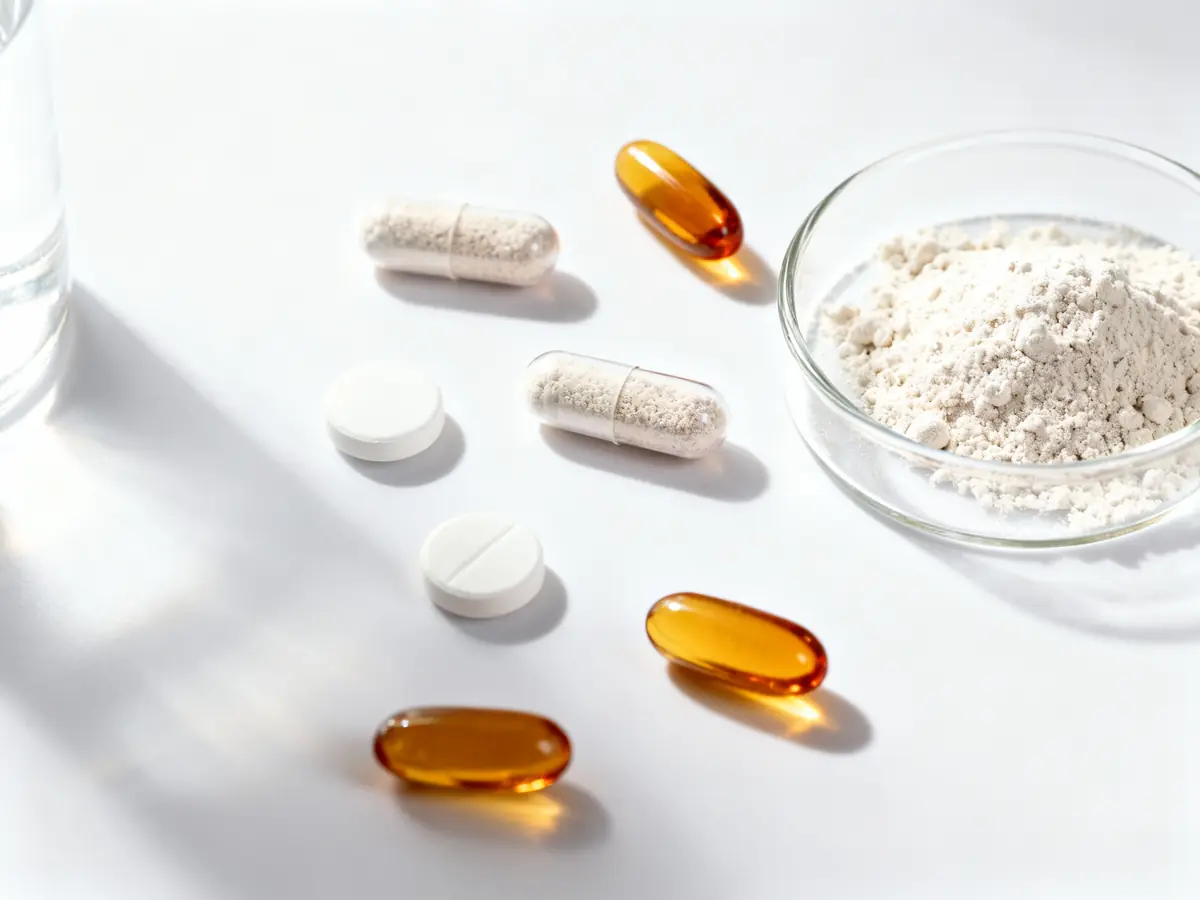
I’ll never forget the day I saw a Reddit post that stopped me in my tracks: “Never knew NAC had negative impact on teeth health.”
The user had been taking N-acetyl cysteine powder, mixing it with water every day. They thought they were doing something good for their body. Instead, they were systematically destroying their tooth enamel. The powder’s pH was so acidic that it literally dissolved the protective layer on their teeth.
Here’s the kicker: if they’d taken NAC in capsule form instead, this never would have happened.
This isn’t just about NAC. Walk into any supplement store and you’ll find identical ingredients packaged in wildly different forms. Same milligrams, same brand promises, different delivery methods. Most people assume it doesn’t matter. They’re wrong.
From my years working in supplement manufacturing, I’ve watched companies make formulation decisions that either enhance or completely destroy a product’s effectiveness. I’ve seen “high-quality” supplements that pass right through the digestive system unchanged. I’ve watched customers complain that expensive products don’t work, not realizing the ingredient form makes absorption nearly impossible.
The supplement industry has a dirty secret: the form of your supplement often matters more than the ingredient itself. Let me show you why.
The NAC Case Study: When Dosage Form Becomes Dangerous
Let’s start with that Reddit story, because it perfectly illustrates what happens when form selection goes wrong.
N-acetyl cysteine (NAC) is a powerful antioxidant. It’s used for everything from liver support to managing oxidative stress. On paper, it looks great. In powder form mixed with water? It becomes a dental disaster.
A 2023 study published in BMC Oral Health examined exactly what NAC does to tooth enamel. The researchers measured the pH of NAC solutions and found something alarming: pH 4.79. That’s solidly acidic.
Here’s the problem: tooth enamel begins to dissolve at pH 5.5. Below that threshold, the minerals in your enamel (calcium and phosphorus) start leaching out. The lower the pH, the faster it happens.
The study’s conclusion was blunt: “NAC had a detrimental effect on initial enamel carious lesions in primary teeth. Also, the longer NAC was in contact with the teeth, the more enamel was lost.”
Think about that. People take NAC for health benefits, but by choosing the wrong form, they’re trading antioxidant support for permanent tooth damage.
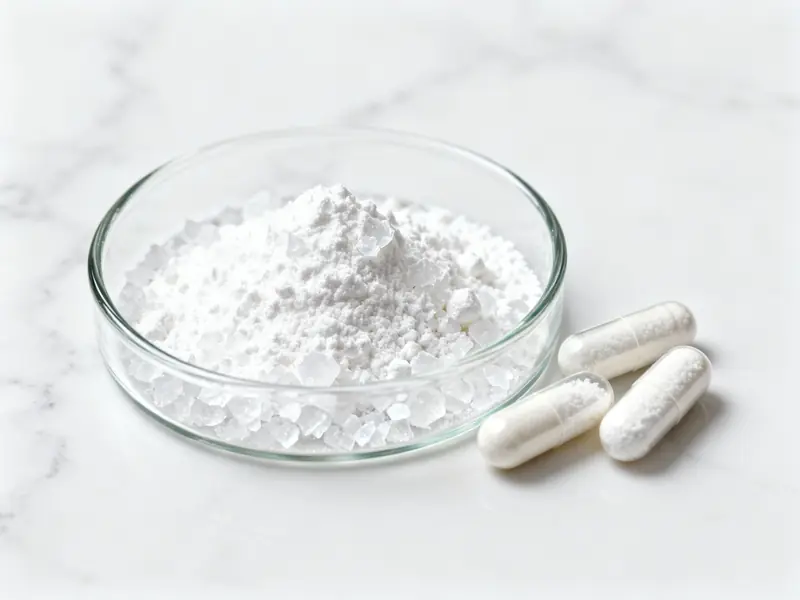
Why Capsules Change Everything
When you take NAC in a capsule, the acidic compound never touches your teeth. The capsule passes through your mouth intact, disintegrating safely in your stomach (which already has a pH of 1.5-3.5 and can handle acidity).
This isn’t just about NAC. It’s a fundamental principle in formulation science: some ingredients need protection from oral tissues, and some oral tissues need protection from ingredients.
As a manufacturer, choosing between powder and capsules isn’t about cost or convenience. It’s about understanding the chemistry of what you’re working with and how it interacts with the human body from the moment it enters the mouth.
The Reddit users discussing NAC had no way to know this. But the formulators creating these products? They absolutely should.
The Bioavailability Crisis: Why Your Supplements Aren’t Working
If the NAC story is about safety, the bioavailability problem is about efficacy. You can take the right ingredient in a safe form and still get zero results if your body can’t absorb it.
Let me tell you about berberine.
Berberine: The 99% Problem
Berberine has exploded in popularity recently. It’s being called “nature’s Ozempic” because of its effects on blood sugar and appetite. A viral Reddit post described it as turning off “the food noise” in someone’s brain. People are excited about it.
Here’s what the research shows: berberine has less than 1% oral bioavailability.
Let that sink in. If you take 500mg of standard berberine, your body absorbs less than 5mg. The rest? It either gets metabolized in your gut, pumped back out by efflux transporters, or passes right through.
Multiple peer-reviewed studies confirm this. Research published in Frontiers in Pharmacology found berberine bioavailability as low as 0.36%. Another comprehensive review stated bluntly: “the oral bioavailability of BBR appears to be very poor (below 1%), indicating that such medical efficacy may never be obtained by patients taking BBR as a medical treatment.”
Why is berberine absorption so terrible? Several reasons:
- P-glycoprotein efflux – Your intestines actively pump it back out
- Poor water solubility – It doesn’t dissolve well in digestive fluids
- Extensive first-pass metabolism – Your liver breaks it down before it reaches circulation
- Self-aggregation – Berberine molecules clump together, reducing absorption
This is why some berberine supplements work and others don’t. The ingredient is identical. The formulation is everything.
Advanced berberine formulations use strategies like:
- Dihydroberberine (a modified form with 5x better absorption)
- Phytosome complexes
- Liposomal delivery
- Enhanced solubility formulations
When someone on Reddit says “berberine turned off my food cravings” and another says “I tried it and felt nothing,” they’re probably not taking the same formulation, even if the label says the same thing.
Curcumin: Even Worse
Think berberine is bad? Curcumin is worse.
Standard curcumin has such poor bioavailability that most of what you swallow never enters your bloodstream. Research shows standard curcumin absorption is extremely limited.
But here’s where formulation science gets interesting. By changing the delivery method, researchers achieved dramatic improvements:
- Standard curcumin: Baseline (very poor absorption)
- Curcumin with piperine: 20x increase
- Phytosome formulation (Meriva®): 19.2x increase
- Liposomal curcumin: 7-10x increase
The phytosome formulation complexes curcumin with phosphatidylcholine, creating a lipid-compatible structure that crosses intestinal membranes much more easily. It’s the same curcumin molecule, but wrapped in a delivery system your body can actually absorb.
When you see two curcumin supplements (one cheap, one expensive), this is often why. The expensive one isn’t padding profit margins. It’s using a formulation that actually works.
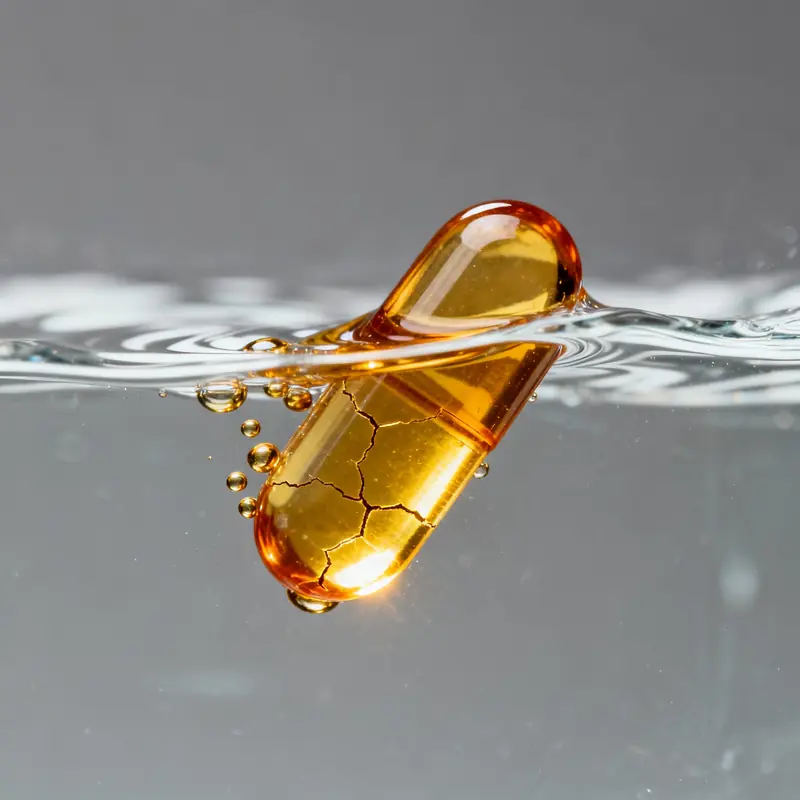
Magnesium: The Same Mineral, Completely Different Results
Here’s a question I hear constantly: “Why am I still deficient in magnesium when I take it every day?”
Usually, the answer is in the form.
The Magnesium Oxide Problem
Magnesium oxide is the most common form of magnesium in cheap supplements. Why? It’s inexpensive and has high elemental magnesium content (about 60% by weight). Looks great on a label.
In reality, research shows magnesium oxide has only about 4% bioavailability. Your body can barely absorb it. Even worse, it acts as an osmotic laxative, pulling water into your intestines. That’s why magnesium oxide is literally sold as a laxative in pharmacies.
Chelated Forms Change Everything
Now compare that to chelated magnesium forms, where the mineral is bound to amino acids.
A 1994 study published in the Journal of Parenteral and Enteral Nutrition compared magnesium diglycinate (also called bis-glycinate) to magnesium oxide in patients with absorption problems. The results were clear:
- Magnesium glycinate: 23.5% absorption
- Magnesium oxide: 11.8% absorption
In patients with the worst absorption issues, the difference was even more dramatic. But the study found something else important: magnesium glycinate was “better tolerated by all patients” and caused fewer gastrointestinal side effects.
Another clinical trial found magnesium bis-glycinate increased oral bioavailability by 43.4% compared to magnesium gluconate.
Here’s a practical breakdown of magnesium forms:
| Magnesium Form | Absorption | Best For | Common Issues |
|---|---|---|---|
| Oxide | ~4% | Laxative effect only | Poor absorption, GI distress |
| Citrate | ~25-30% | General supplementation | Mild laxative effect |
| Glycinate/Bis-glycinate | ~40-50% | Sleep, relaxation, anxiety | None (well-tolerated) |
| Threonate | Moderate | Cognitive function | Expensive, lower elemental Mg |
| Malate | ~30-40% | Energy, muscle function | May be stimulating |
Notice how the same mineral (magnesium) behaves completely differently depending on what it’s bound to? This isn’t marketing hype. It’s basic biochemistry.
The Elemental Magnesium Confusion
Here’s where it gets tricky. A tablet of magnesium glycinate might show 200mg but only contain 40mg of elemental magnesium. The rest is the glycine it’s bonded to. Meanwhile, magnesium oxide might have 400mg of elemental magnesium in the same size capsule.
Looks like the oxide is better value, right? Wrong.
- 400mg elemental Mg oxide × 4% absorption = 16mg absorbed
- 40mg elemental Mg glycinate × 40% absorption = 16mg absorbed
You end up absorbing the same amount, but the oxide comes with GI side effects and the glycinate doesn’t.
This is why reading labels requires more than comparing milligram numbers. You need to know the form and its bioavailability.
Zinc Deficiency Despite Supplementation: A Real Mystery Solved
One of the most upvoted posts I saw researching this article was titled: “Still deficient in zinc despite taking expensive daily supplement.”
The person was frustrated. They were doing everything right. Taking their supplements. Using a premium brand. Still came back with deficiency on blood work.
The problem? Almost certainly the form.
Zinc Bioavailability by Form
Clinical research comparing zinc forms found significant differences in absorption:
Zinc oxide – Despite being 80% elemental zinc by weight, it showed a significantly lower absorption rate of 49.9%. Some study participants showed minimal absorption from this form.
Chelated zinc forms (picolinate, glycinate) – Consistently superior absorption. One study found zinc bis-glycinate increased bioavailability by 43.4% compared to zinc gluconate.
Zinc citrate and gluconate – Moderate absorption, well-tolerated, good middle ground.
Here’s the practical comparison:
| Zinc Form | Elemental Zinc | Absorption | Notes |
|---|---|---|---|
| Zinc oxide | 80% | ~50% (highly variable) | Cheap but inconsistent |
| Zinc sulfate | 23% | ~60-70% | Can cause GI upset |
| Zinc citrate | 31% | ~60-65% | Good balance |
| Zinc gluconate | 13% | ~60-65% | Well-studied, safe |
| Zinc picolinate | 20% | ~70-75% | Excellent absorption |
| Zinc glycinate | 20% | ~70-75% | Best tolerated + absorbed |
The person taking an “expensive” supplement with poor results was probably taking zinc oxide. A cheap form in expensive packaging.
Chelation Matters
Here’s what chelation actually means: the mineral is chemically bonded to amino acids or organic acids. This creates a compound that’s stable in the digestive system and can cross intestinal membranes more easily.
Non-chelated forms (like oxides and sulfates) rely on stomach acid and digestive processes to break down and ionize the mineral. This process is inefficient and varies wildly between individuals based on stomach acid levels, digestive health, and what else is in the meal.
Chelated forms bypass much of this variability. They’re pre-packaged in a form your body recognizes and absorbs.
As someone who’s formulated hundreds of supplements, I can tell you: chelated minerals cost 3-5x more than simple mineral salts. But they’re worth every penny if you actually want results.
Fat-Soluble Vitamins: Why Oil-Based Formulations Win
Let’s talk about vitamin D3. It’s fat-soluble, which means it doesn’t dissolve in water. It dissolves in fat.
This isn’t just trivia. It fundamentally changes how you should take it.
The Science of Vitamin D Absorption
Research comparing vitamin D formulations found that oil-soluble vehicles produce greater increases in blood serum 25(OH)D when compared to powder and ethanol-based supplements.
Why? Because vitamin D needs to form micelles (tiny fat droplets) to be absorbed across your intestinal lining. Oil-based formulations are already in the right form. Powder formulations need to find dietary fat in your meal to piggyback on.
Another study found that microencapsulated and oil-based forms were more bioavailable than micellized vitamin D3 vehicles.
The type of oil matters too. Research shows vitamin D3 bioavailability is maximum in long-chain triglycerides (like corn oil or fish oil) compared to medium-chain triglycerides or mineral oil.
The Powder Exception
Interestingly, there’s one case where powder vitamin D might work better: people with fat malabsorption issues (like cystic fibrosis or Crohn’s disease). For these individuals, the process of absorbing dietary fat is compromised, so oil-based vitamin D can actually be harder to absorb.
But for healthy individuals, softgels containing D3 in an oil base are the gold standard.
Vitamin K2: The Same Story
Vitamin K2 (especially MK-7) follows the same rules. It’s fat-soluble. Oil-based formulations outperform powders.
This is why you’ll often see premium vitamin D3+K2 supplements in softgel form. Not because it looks fancier, but because the formulation actually works with the chemistry of these nutrients.
Probiotic Protection: Why Capsule Technology Matters
Here’s a brutal fact about probiotics: most of them die in your stomach before reaching your intestines.
Your stomach acid has a pH between 1.5 and 3.5. It’s designed to kill bacteria. Probiotics are bacteria. You see the problem.
The Survival Challenge
Research on probiotic survival found that probiotics encapsulated with specialized coating technology exhibited approximately 90% viability after being exposed to gastric acid for 2 hours.
Without protection? Survival drops dramatically. Some studies show 60-90% bacterial death for unprotected probiotics passing through the stomach.
Another study on multi-layered tablet development found that 72% of bifidobacteria survived gastric transit when properly formulated with protective layers.
Delayed-Release Capsules
The solution is enteric coating or delayed-release capsule technology. These formulations use polymers that remain stable at low pH (in the stomach) but dissolve at higher pH (in the small intestine).
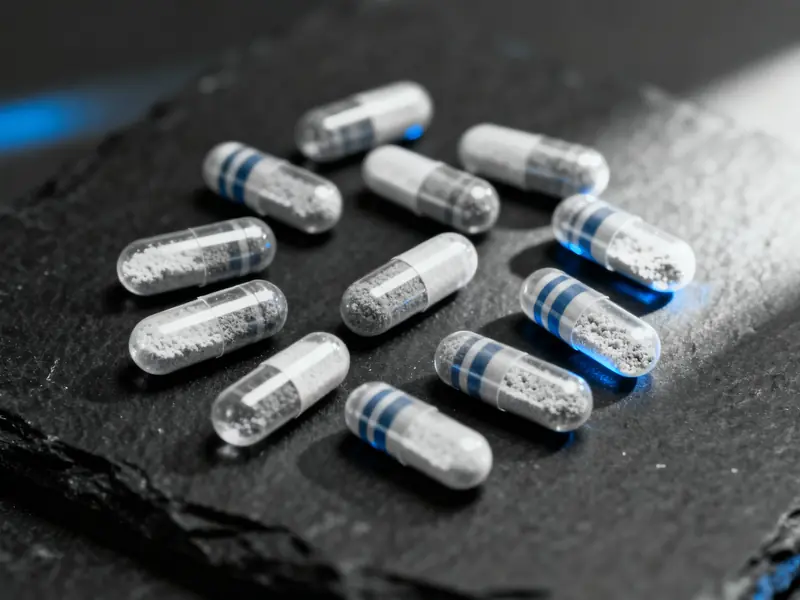
Think of it as a protective shield that opens exactly where you want it to.
Research on delayed-release probiotic formulations found that enteric-coated delivery systems provide effective gastric protection and efficient release of live therapeutic bacteria.
This technology adds cost, which is why cheap probiotic supplements often skip it. They’re selling you bacterial corpses.
Strain Selection Also Matters
Some probiotic strains are naturally more acid-resistant than others. Lactobacillus strains generally handle stomach acid better than Bifidobacterium strains. But even resilient strains benefit from protective capsule technology.
When evaluating probiotic supplements, look for:
- Delayed-release or enteric-coated capsules
- High CFU counts (to account for some die-off)
- Strains with documented acid resistance
- Proper storage and packaging (heat and moisture kill probiotics too)
The form isn’t just about bioavailability here. It’s about whether the active ingredients survive to your gut at all.
The Capsule vs. Tablet vs. Powder Debate
By now you’re probably wondering: which form is best?
The answer is frustrating but true: it depends on the ingredient.
Capsules
Advantages:
- Fastest disintegration (typically 2-3 minutes in the stomach)
- No compression required (preserves ingredient stability)
- Easy to swallow
- Can protect from taste and odor
- Works well for oils, powders, and pellets
Best for: Most supplements, especially those needing rapid release or protection from stomach acid (with enteric coating)
Link: Learn more about capsule formulation
Tablets
Advantages:
- Can hold more active ingredients in smaller size
- Excellent stability for shipping and storage
- Can be scored for dose splitting
- Ideal for time-release formulations
Disadvantages:
- Require compression (can affect ingredient stability)
- Take longer to disintegrate if poorly formulated
- Some people struggle to swallow larger tablets
Best for: Multivitamins, sustained-release formulations, high-dose minerals
Link: Learn more about tablet formulation
Powders
Advantages:
- Flexible dosing
- Fast absorption (already dissolved)
- Easy for people who can’t swallow pills
- Lower cost per dose
Disadvantages:
- Direct contact with mouth and teeth (problem for acidic compounds like NAC)
- Taste issues for many ingredients
- Measuring required
- Prone to moisture damage during storage
Best for: Protein powders, greens blends, ingredients with neutral taste, people with swallowing difficulties
Link: Learn more about powder formulation
Softgels
Advantages:
- Perfect for oils and fat-soluble nutrients
- Excellent oxygen barrier (protects against oxidation)
- Easy to swallow
- No taste or odor
Disadvantages:
- Limited to oil-soluble or oil-compatible ingredients
- Higher cost
- Gelatin softgels not vegetarian (though veggie options exist)
Best for: Omega-3s, vitamin D3, vitamin K2, CoQ10, fat-soluble antioxidants
Link: Learn more about softgel formulation
How to Choose the Right Form: A Manufacturer’s Guide
After working on hundreds of formulations, here’s my framework for selecting the right form for any supplement:
Step 1: Know Your Ingredient’s Chemistry
Is it fat-soluble or water-soluble?
- Fat-soluble (D, E, K, CoQ10, omega-3s) → Softgels or oil-based capsules
- Water-soluble (B vitamins, C, most minerals) → Capsules, tablets, or powders work fine
Is it acidic or harsh on tissues?
- Acidic compounds (NAC, vitamin C in high doses) → Capsules to bypass mouth/esophagus
- Alkaline or harsh on stomach (some minerals) → Enteric coating or take with food
Does it have poor natural bioavailability?
- Curcumin, berberine, quercetin → Need enhanced delivery (phytosome, liposomal, etc.)
- Well-absorbed nutrients → Standard forms work fine
Step 2: Consider Your Use Case
Do you need rapid absorption?
- Liquid or dissolved powder > capsules > tablets
Do you need sustained release?
- Time-release tablets > everything else
Do you need protection from stomach acid?
- Enteric-coated capsules or tablets (critical for probiotics, some enzymes)
Are you taking it with or without food?
- Fat-soluble vitamins → Always take with fatty meal
- Iron → Take away from meals for absorption
- Many supplements → With food reduces GI upset
Step 3: Look for Quality Markers
On the label:
- Chelated forms of minerals (glycinate, picolinate, citrate)
- Enhanced bioavailability curcumin (phytosome, BCM-95, CurcuWIN)
- Oil-based fat-soluble vitamins
- Delayed-release or enteric-coated probiotics
- Natural (non-synthetic) forms of vitamin E (d-alpha, not dl-alpha)
Manufacturing quality:
- GMP-certified facilities (like Nutricraft Labs)
- Third-party testing (USP, NSF, ConsumerLab)
- Certificates of Analysis available
- Transparent sourcing
Step 4: Watch for Red Flags
Skip products that:
- Use the cheapest mineral forms (oxide, carbonate) exclusively
- Market “high potency” with poor bioavailability forms
- Use proprietary blends hiding ingredient amounts
- Make unsupported claims
- Have no third-party verification
Be skeptical of:
- Powder forms of acidic compounds sold without warnings
- Probiotics without protective coating
- Oil-based vitamins in tablets (should be softgels)
- Extremely cheap prices (quality ingredients cost money)
The Bottom Line: Form Is Formulation
I started this article with a Reddit post about NAC destroying someone’s teeth. Let’s end with the broader lesson.
The supplement industry sells hope in bottles. Take this pill, improve your health. But somewhere between the promise on the label and the outcome in your body, chemistry happens. Biology happens. Absorption happens, or doesn’t.
The ingredient is important. But the form determines whether that ingredient ever gets where it needs to go.
This is why two supplements with identical label claims can produce completely different results. This is why your expensive zinc supplement might not raise your blood levels. This is why berberine works for some people and not others. This is why mixing NAC powder with water seemed fine until someone needed dental work.
Form matters.
As a contract manufacturer, this is what we think about every day at Nutricraft Labs. We don’t just dump ingredients into capsules. We match delivery systems to ingredients. We select forms based on bioavailability data, stability testing, and real-world use cases.
We ask questions like:
- Will this ingredient survive stomach acid?
- Does this need fat for absorption?
- Will this form cause GI distress?
- Is this the most bioavailable option for the dosage?
- How will this interact with the other ingredients in the formula?
These questions determine whether a supplement works or becomes expensive urine.
If you’re taking supplements right now, take a minute to look at the forms. Check if your magnesium is oxide or glycinate. See if your vitamin D is in oil or powder. Look for chelated minerals and enhanced bioavailability compounds.
And if you’re creating a supplement brand, choose your manufacturer carefully. The cheapest option will cut corners on formulation. The best option will design products that actually deliver results.
Your body deserves supplements that work, not just labels that look good.
Related Reading
Looking for more information on supplement formulation and dosage forms? Check out these resources:
- How to Choose the Right Dosage Form for Your Supplement – Our comprehensive guide to matching delivery systems to supplement types
- Capsule Formulation – Deep dive into capsule types and applications
- Private Label Manufacturing – Learn how Nutricraft Labs can help you create properly formulated supplements
Frequently Asked Questions
Can I just take cheap magnesium oxide if I increase the dose?
Not really. The absorption problem isn’t just about total milligrams. Magnesium oxide has inherent bioavailability limitations due to its chemical structure. Taking more just increases the laxative effect without proportionally increasing absorption. You’d be better off taking a proper dose of a well-absorbed form like glycinate or citrate.
Are expensive supplements always better than cheap ones?
Not always, but often. The price difference usually reflects ingredient form (chelated vs. non-chelated minerals), bioavailability technology (phytosome curcumin vs. standard), quality testing, and manufacturing standards. However, some brands overprice supplements with standard ingredients. Check the form of each ingredient. That tells you if the price is justified.
Should I take probiotics on an empty stomach or with food?
Research suggests taking probiotics with a small meal (especially one with some fat) helps protect the bacteria during stomach transit. However, if your probiotic uses delayed-release capsules, timing matters less since the capsule provides protection. Check with your specific product’s instructions.
Can I open capsules and mix the contents with food or drinks?
It depends. For standard vitamins and minerals, usually yes. But don’t open capsules containing acidic compounds (like NAC), enteric-coated ingredients, or time-release formulations. You’ll defeat the protective mechanism. If you struggle with swallowing pills, look for products specifically designed as powders or liquids.
Why do some vitamin D supplements say “take with fatty meal”?
Vitamin D is fat-soluble, meaning it needs dietary fat to form micelles that cross your intestinal lining. Even oil-based vitamin D formulations benefit from being taken with a meal containing fat. Without it, absorption drops significantly. Aim for at least 10-15g of fat with your vitamin D dose (think: nuts, avocado, eggs, fish, or full-fat dairy).
Is there a difference between vitamin D2 and D3, and does form matter?
Yes on both counts. Vitamin D3 (cholecalciferol) is significantly more effective at raising blood levels than D2 (ergocalciferol). And within D3 supplements, oil-based formulations in softgels absorb better than powder tablets for most people. Always choose D3 in an oil base unless you have fat malabsorption issues.
Why does my magnesium supplement say “magnesium 400mg (from 2000mg magnesium glycinate)”?
This shows elemental magnesium versus compound weight. Magnesium glycinate is magnesium bonded to glycine (an amino acid). The 2000mg is the total compound weight, but only 400mg of that is actual magnesium. The rest is the glycine carrier. This is normal for chelated minerals and actually indicates a quality product that’s transparent about its formulation.
Do I need enteric-coated capsules for all probiotics?
Not necessarily. Some probiotic strains have excellent natural acid resistance (like certain Lactobacillus strains). However, enteric coating or delayed-release technology dramatically improves survival for most strains, especially Bifidobacterium species. If your probiotic lists diverse strains including bifido, coating is important.
Can I take all my supplements together, or does form matter for interactions?
Form matters for timing. Take fat-soluble vitamins (A, D, E, K) with a fatty meal. Take minerals like calcium and iron separately (they compete for absorption). Water-soluble vitamins (B, C) can be taken anytime. Some forms are gentler on the stomach than others. Chelated minerals can be taken on an empty stomach while oxides and sulfates often cause upset. Check each supplement’s optimal timing.
How can I tell if my supplement is actually absorbing?
Beyond blood tests (the gold standard), watch for results. Vitamin D should improve energy and mood within weeks. Magnesium glycinate should help sleep within days. Well-absorbed iron raises energy within 2-3 weeks. If you see zero benefits after 4-6 weeks at proper doses, question the form. No results often means poor bioavailability, not that you don’t need the nutrient.
Ready to Start Your Supplement Brand?
Let's discuss how we can help bring your vision to life with our comprehensive manufacturing services.
Related Articles
2026 Private Label & Contract Manufacturing Shifts: Low MOQ, GMP, and Speed to Market
How supplement founders can balance low MOQs, GMP certification, and faster launches in 2026's shifting contract manufacturing landscape.
Read more →The 2026 Private Label Playbook: Low MOQ, Fast Turnaround, and Regulatory Navigation
A practical 2026 roadmap for first-time supplement founders: low MOQ private label, NPN and FDA compliance, and one point of contact from formula to shelf.
Read more →2026 Supplement Trends: What's Growing, What's Shifting, and How to Formulate for It
A practical look at 2026 supplement trends: what's rising, what's consolidating, and how to formulate SKUs that meet NPN and FDA requirements.
Read more →